
.svg)


Inside The Community Lab Reshaping How Cities See Trash
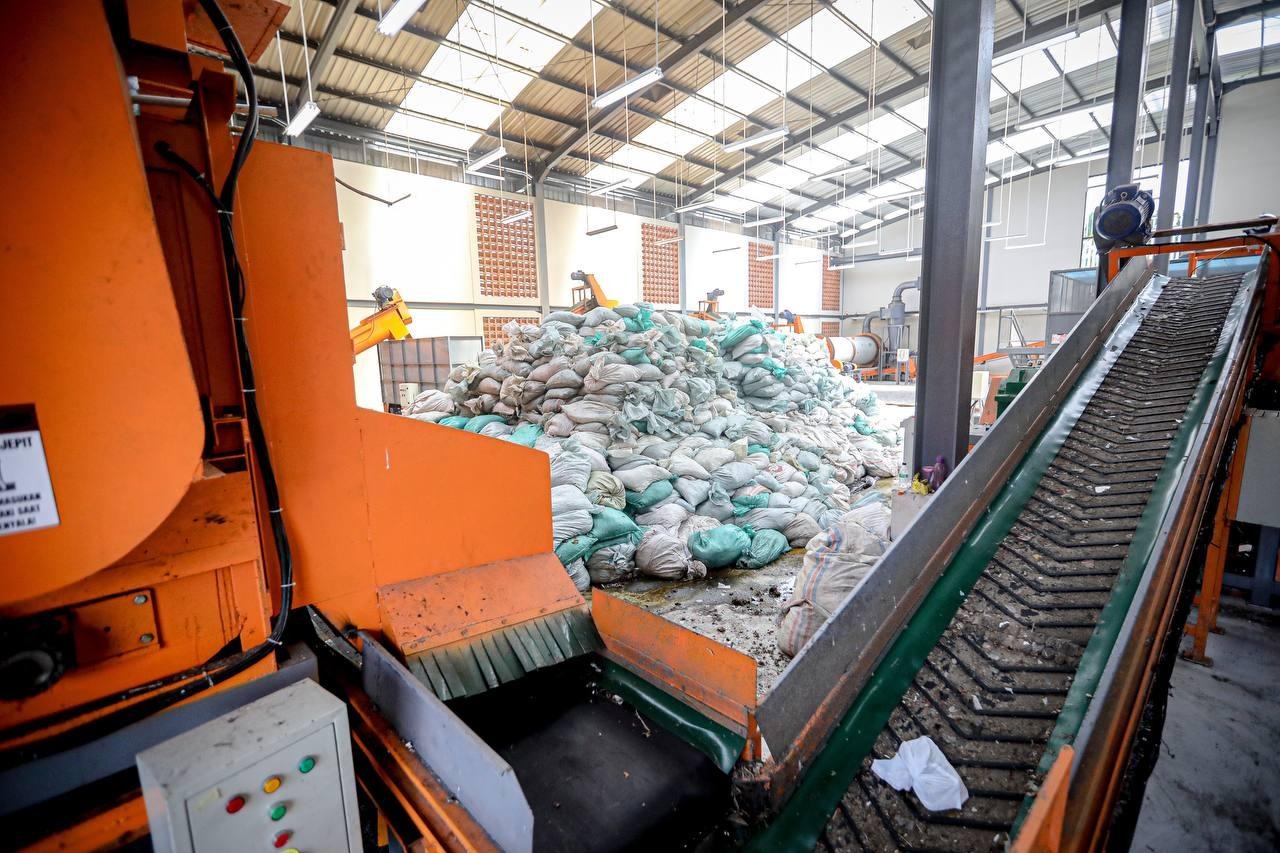
Bandung moves fast—but its remnants lag behind. Every day, the city’s 2.6 million residents generate around 1,500 tons of waste, overwhelming drains, landfills, and the streets themselves. Rivers choke on plastic; illegal dumps smolder; a constant haze of decomposition hangs in the air. Yet on Bandung’s northern edge, an unassuming warehouse hums with a different rhythm. Inside Parongpong RAW Lab, the clink of sorted bottles and the hum of recycling machines reframes trash as treasure—disassembled, studied, and reborn.
Parongpong RAW Lab began in 2017 not as a campaign, but as a radical experiment: could Bandung’s burgeoning waste crisis become a hands-on classroom rather than a catastrophe? A band of designers, activists, and former waste pickers hacked old machines into shredders, repurposed discarded plastics as test samples, and flung open their doors to anyone curious enough to get dirty. What started as playful tinkering soon wove into community: children poked at colorful flakes, marveling at trash that sparkled; waste pickers—once invisible on landfill fringes—became in-house experts, teaching material value.
Parongpong confronted a steep uphill battle. Bandung’s landfills filled faster than new cells could be carved. Recycling infrastructure was patchy at best. Single-use plastics reigned culturally unchallenged. And waste work carried stigma, relegating pickers to society’s shadows. For Parongpong, the question jumped from “How do we process waste?” to “Can we shift perception—turning the dirty into the desirable?”
RAW Lab functions dually as a workshop and a learning ecosystem. Waste arrives from households, schools, and small businesses to be cleaned, shredded, and sorted into distinct material streams. From there, the lab transforms into a playground: custom molds press shredded plastic into panels; open-source workshops teach citizens to build their own recycling machines; designers prototype recycled-material goods—from tote bags to furniture.
A visitor glimpses sheets of reclaimed plastic stacked like oversized tiles, each marbled with unexpected hues. They might witness a student pressing bottle caps into mosaic patterns beside a craftsman fashioning tabletop woodgrain from repurposed PET. In this space, waste becomes both resource and medium for learning and connection.
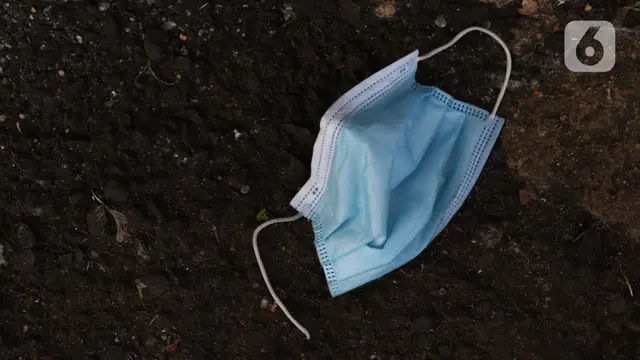
During the COVID-19 pandemic, Parongpong’s ethos met a global crisis head-on. With disposable masks choking waste streams, the lab developed ProtoTech™—a sterilized, hydrothermal composite made from shredded mask fibers fused into durable sheets. ProtoTech™ boasts:
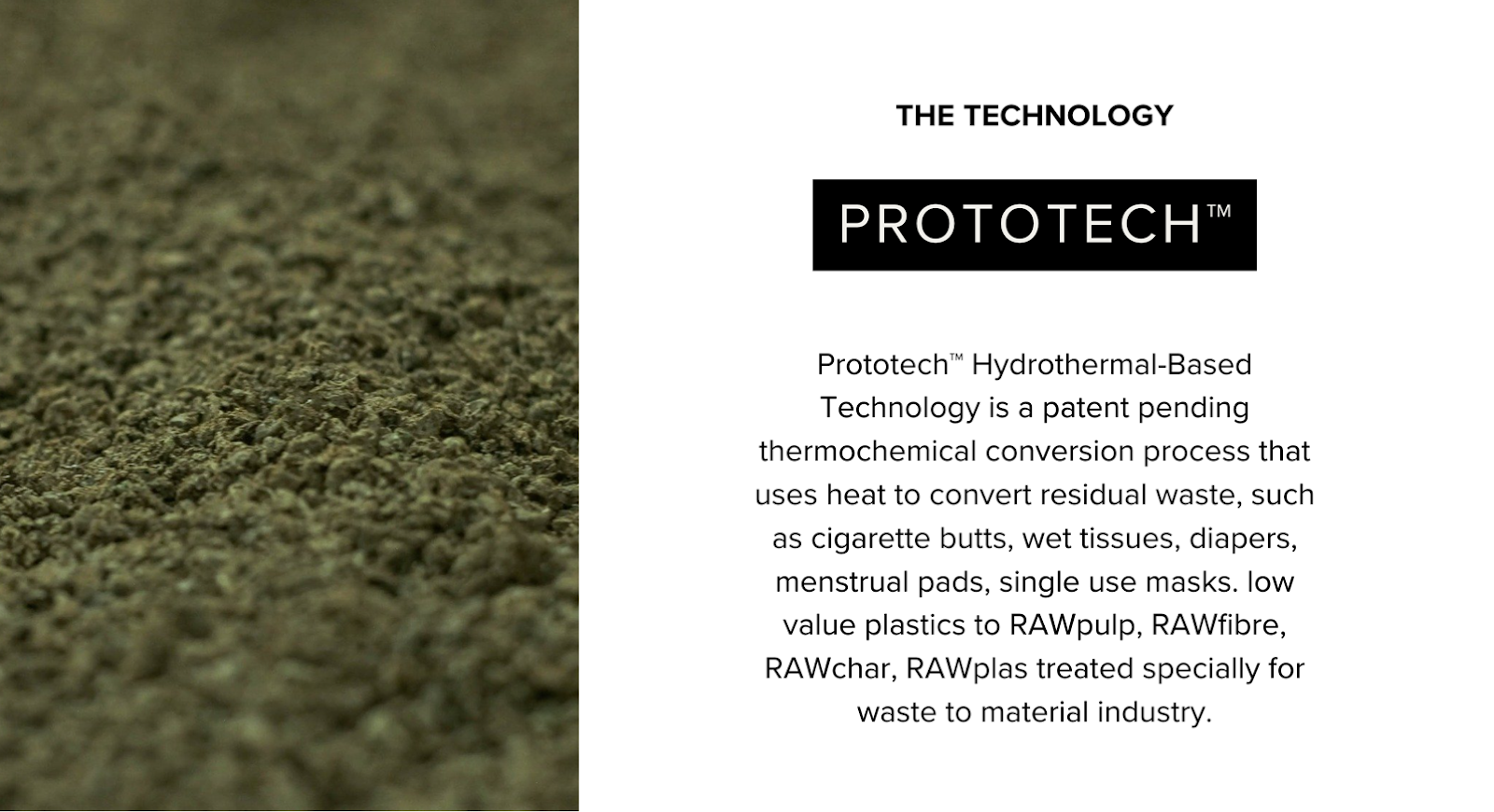
But Parongpong didn’t stop there. Beyond ProtoTech™, the lab has diversified into multiple material innovation streams:
Together, these streams position Parongpong not only as a community recycling lab but as a materials innovation hub, where waste becomes the foundation for multiple futures.
By 2024, Parongpong RAW Lab processed over 1,000 tons of waste annually, including pandemic-related refuse, diverting hundreds of kilograms of face masks from landfills and incinerators. More crucially, it created pathways for waste pickers, students, and informal workers to join Bandung’s emerging circular economy, shifting cultural perceptions of trash toward possibility and beauty.
More crucially, the lab created pathways for waste pickers, students, and informal workers to join Bandung’s emerging circular economy. Through initiatives like the Bopong program, which collected 160 kilograms of cigarette butt waste in just three months, Parongpong RAW Lab has shifted cultural perceptions of trash toward possibility and beauty.
Where government programs measure success in tons processed, Parongpong measures success in people engaged and minds shifted. Industrial recycling plants may scale tonnage; Parongpong builds a culture of participation. Its grassroots, design-driven approach outpaces top-down initiatives, proving that community-powered labs can pivot faster than large institutions.
Scaling the Seed: From Local Workshop to Global Inspiration
What began in a humble warehouse has sprouted in schools nationwide: Indonesian curricula now adopt Parongpong’s open-source recycling machine designs. International collaborations have showcased RAW Lab at design biennales, and NGOs worldwide reference its methodology. Parongpong isn’t just exporting machines—it’s exporting a mindset: treat waste as raw fuel for innovation.
Bandung’s waste crisis endures, but Parongpong RAW Lab points to another path—one where solutions germinate not in boardrooms, but in community workshops. A modest warehouse, its machines imperfect yet purpose-driven, stands as a blueprint for urban sustainability: where rivers run cleaner, students learn through discarded plastic, and waste workers are honored as the engineers of tomorrow. If cities everywhere treated crises as material laboratories, urban futures might look less like sprawling landfills and more like bustling workshops of invention.
Source:


0 Comments