
.svg)



In 2025, India’s healthcare landscape is undergoing a remarkable transformation. Routine lab tests that once required long waits and travel across crowded cities are now coming directly to patients’ homes. Startups like Orange Health Labs are leading this shift by offering doorstep sample collection within 60 minutes and delivering test results in as little as six hours—dramatically raising the bar for convenience and responsiveness in healthcare. What began as a pandemic-driven preference for safety and accessibility has evolved into a new consumer expectation for preventive, on-demand healthcare.
This transition from reactive to proactive care is further reinforced by large-scale collaborations such as Amazon Diagnostics, launched in partnership with Orange Health Labs. Operating across six Indian cities and over 450 PIN codes, the service offers 800+ diagnostic tests while emphasizing speed, digital booking, and data security. Together, these platforms are redefining what healthcare access means in India—turning at-home diagnostics from a luxury into a mainstream necessity for urban professionals and health-conscious consumers alike.

Today’s consumers expect more than clinical accuracy—they demand speed, reliability, and ease. Orange Health Labs promises sample collection within 60 minutes and routine test results in as little as six hours. These turnaround times aren’t just marketing copy—they address a genuine pain point in India's fragmented diagnostics landscape.
There’s another shift: diagnostics moving from reactive (you go when you're sick) to proactive (regular health check-ups, monitoring, preventive screening). This trend aligns well with rising incomes, growing awareness of non-communicable diseases, and post-pandemic behavior.
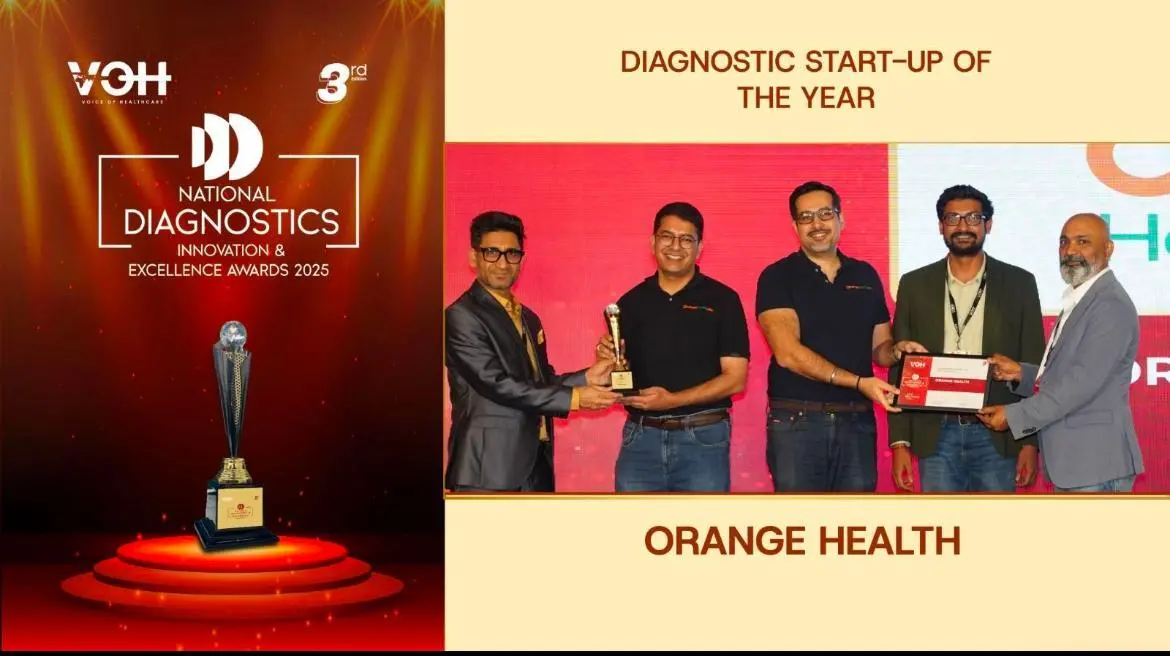
Orange Health Labs was founded in 2020 by Dhruv Gupta and Tarun Bhambra. Their vision: to make diagnostics more responsive and reliable, leveraging logistics and quality control.
In December 2024, Orange Health raised $12 million in a funding round led by Amazon Smbhav Venture Fund, with continued backing from Accel, General Catalyst, Bertelsmann India, and Y Combinator. The funding is being used to expand product offerings, grow the workforce, and build more testing / collection centres.
Key metrics:
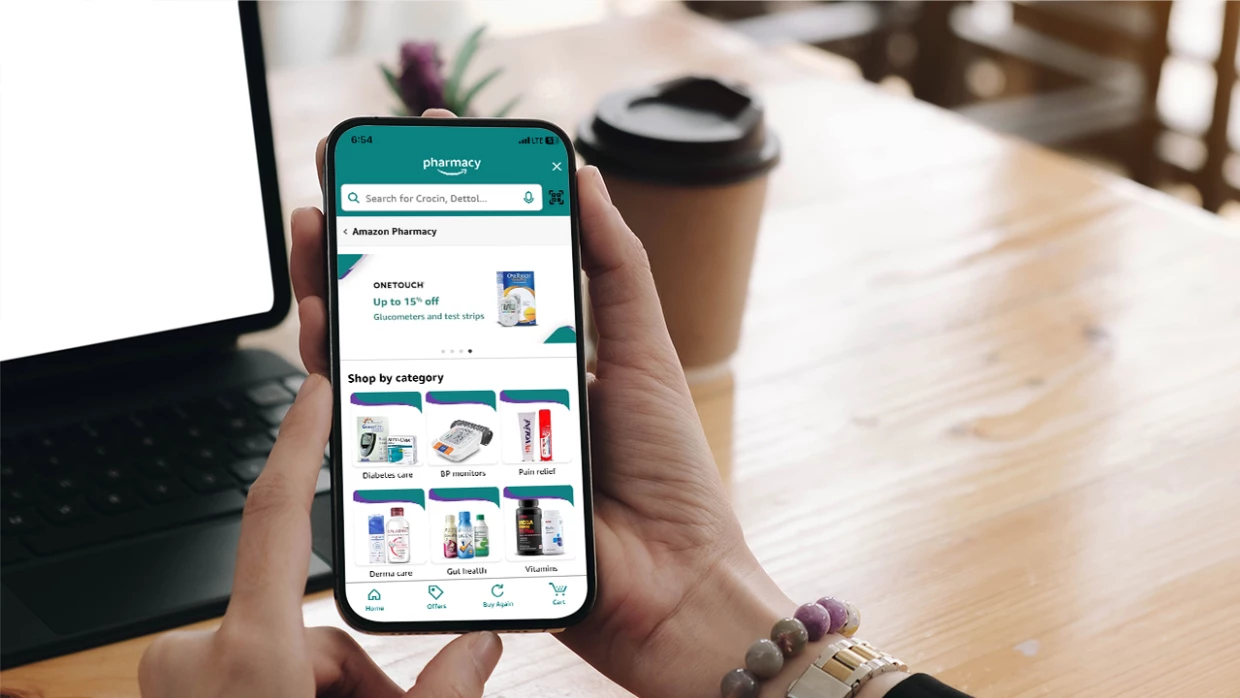
In June 2025, Amazon India launched Amazon Diagnostics, in partnership with Orange Health Labs. This new service is part of Amazon’s broader healthcare umbrella—Amazon Medical—alongside Amazon Pharmacy and Amazon Clinic.
Some key features:
Amazon’s strategy avoids deep discounting; instead, they emphasize service quality, trust, speed, and a seamless user experience. They integrate features like real-time slot bookings, map-based address validation, automated test prep instructions, and secure digital reports.

Despite its compelling value proposition, Orange Health Labs faces several structural challenges as it scales. Maintaining consistency and diagnostic accuracy across numerous sample collection points and partner laboratories remains a critical hurdle, as any deviation could compromise trust—a cornerstone of healthcare services. Efficiently managing logistics to uphold the company’s 60-minute pickup promise becomes increasingly complex as operations expand beyond densely populated metro areas into tier-2 and tier-3 cities.
Regulatory compliance adds another layer of difficulty; accreditation standards, quality audits, and data-privacy requirements demand constant vigilance. Furthermore, the company must navigate cost pressures while sustaining customer confidence in test reliability. In an industry where even a single inaccurate result can undermine years of credibility, building and preserving consumer trust is paramount. The recent wave of “at-home testing” startups has already sparked concerns about result accuracy—highlighted, for example, in The Ken’s report on faulty HbA1c readings—which underlines how fragile consumer confidence can be in this rapidly evolving market.
The rise of Orange Health Labs and Amazon Diagnostics signals more than a convenience revolution—it reflects a fundamental transformation in how healthcare access is perceived in India. By combining speed, quality, and affordability, the model bridges a long-standing gap for urban consumers and time-pressed professionals who demand healthcare on their own terms. Beyond immediate consumer benefits, this integration of technology, logistics, and medical services sets a precedent for India’s healthtech ecosystem, offering a scalable blueprint for preventive and routine care that extends well beyond diagnostics.
For investors, the success of Orange Health Labs underscores the growing potential of hybrid platforms that merge operational efficiency with patient-centric innovation. And for emerging markets across Southeast Asia, South Asia, and Africa—where diagnostic infrastructure remains fragmented—this model offers a replicable framework. Yet, scaling it globally will require sensitivity to local regulatory landscapes, cost structures, and healthcare behaviors. Ultimately, what’s unfolding in India may serve as both a test case and a template for the next chapter of healthcare accessibility worldwide.
Orange Health Labs, via its partnership with Amazon Diagnostics, may be at a turning point in how diagnostics are delivered in India. With backing from major VCs, strong growth metrics, and a service model focused on speed + convenience, they are well-positioned. But execution—especially at scale and maintaining quality—will determine whether this becomes a lasting shift or a niche convenience for metro areas.


0 Comments